[fas_header]

[eif-icon icon=“admin_panel_settings“]

Blog

  • A Guide to HMDD Joggers Occasion Styling Ideas

    The Reason HMDD Sweatpants Are Growing Into a Closet Staple

    Trend cycles move quickly, but a handful of brands somehow slow the pace down and craft a following that outlasts one season. An abbreviation of „Happy Memories Don’t Die,“ HMDD has without much fanfare become exactly that kind of label. Beginning as a niche label with a emotionally-charged name has grown into a familiar name among buyers searching for coziness-focused streetwear that still looks intentional. The phrase itself carries weight — happy memories dont die is more than just a tagline, it functions as the sentimental heart of the label’s identity. You can see that philosophy in the way HMDD handles wardrobe staples like sweatpants and shorts, regarding them less like afterthought basics and more like statement pieces that shoppers genuinely gravitate toward on repeat.

    This guide breaks down why HMDD sweatpants in particular are earning a lasting place in everyday wear for such a wide range of shoppers, what a genuine hmdd review tends to emphasize, and how the label’s take on fit, fabric, and design stacks up against standard fast-fashion sweatpants. If you have come across the label pop up under searches like hmddla or best hmdd clothing, this guide will help you make sense of what the buzz is actually about.

    HMDD’s Emergence as a Name in Streetwear

    HMDD did not appear overnight. The brand built its reputation gradually, relying on a grassroots approach rather than heavy-handed marketing. The bulk of its early traction came from customer referrals and online communities, where the phrase happy memories don’t die hmdd sweatpants resonated with shoppers in search of clothing that carried meaning beyond the fabric itself. That emotional hook matters in a market flooded with forgettable branding and throwaway designs.

    The volume of hmddla searches has climbed steadily as the label’s footprint expanded beyond a modest local base into a broader, global audience. This growth pattern mirrors how several successful streetwear labels scaled in the past decade — start small, build loyalty, then allow demand to drive growth rather than driving it with constant sales. The brand’s lineup has grown in step, shifting away from a limited run of graphic tees into a broader collection that now includes hmdd sweatpants and hmdd shorts as central categories rather than filler additions.

    What separates HMDD from many newer labels is consistency. Buyers who try a single piece and then order again often describe the same fit and quality with each repeat order, which is no sure thing in the present-day streetwear space where quality can shift between drops. That consistency is a key reason hmdd clothing keeps coming up in conversations about brands to watch heading into 2026.

    The Reasons HMDD Sweatpants Different

    Joggers are a notoriously difficult category to get just right. Cut too wide and the look turns messy; too snug and they defeat the whole purpose of the piece. HMDD manages to bridge the two extremes, producing sweatpants that flatter a wide range of body types and personal styles — and that’s largely why they keep turning up in saved lists and completed orders throughout the brand’s customer base.

    Far from being just ornamental touches, the style decisions are purposeful. Range-wide, ribbed cuff finishes, shaped waistbands, and tapered leg cuts recur, lending the pants a silhouette versatile enough to handle both a jacket-led look and a casual tee pairing. In almost every hmdd review posted online, this adaptability emerges as a common thread— buyers consistently mention styling the same pair across settings without ever looking mismatched.

    There is also a practical angle worth mentioning: sweatpants get worn more often than almost any other category in a person’s closet. A pair that holds its shape after repeated washes and does not sag out at the knees within a month earns its price back quickly through sheer frequency of use. That durability factor is precisely why HMDD sweatpants get flagged in discussions about the best hmdd clothing pieces to start with if you’re new to the brand.

    The Way The HMDD label Expanded via Shorts, Reaching Past the Sweatpants Category

    While sweatpants soak up most of the attention, hmdd shorts have grown into a no-less-crucial part of the roster, above all as buyers search for hot-season substitutes that correspond to the same sizing outlook. The shorts follow a similar design language — uncluttered contours, minimal branding, and a fit that lands in the middle ground of athletic and urban-casual without fully leaning into one side or the other.

    A frequently undervalued driver of shoppers place their trust in the brand is this cross-category consistency. When a label nails the fit language across multiple product types, shoppers stop worrying about sizing guesswork every time they order something new. That trust compounds over time, turning first-time buyers into repeat customers who explore more of the catalog instead of sticking to a single item they already know works.

    This further indicates that HMDD is not merely a flash-in-the-pan brand riding on a single viral product. These shorts and sweatpants work as companion pieces, frequently bought as a pair, hinting the label is envisioning a full wardrobe system instead of standalone releases built to follow quick-turnover fads.

    HMDD Sweatpants Against Standard Offerings on the Market

    To put things in perspective, here is a broad comparison of how HMDD sweatpants fare alongside standard mass-market sweatpants and everyday premium streetwear sweatpants present in the current market. What follows is a sweeping comparison across categories not a claim about particular competitor products.

    Feature Everyday Mass-Market Sweatpants HMDD Sweatpants Line Elevated Streetwear Sweatpants
    Fit Consistency Varies widely between manufacturing lots Uniform across collections according to shopper feedback Fairly uniform
    Brand Character Minimal or nondescript Strong, meaning-rich identity Robust but often logo-centric
    Fanbase Activity Limited Lively and expanding (hmddla search volume increasing) Well-formed but often exclusive
    Range of Use Casual only Relaxed to refined streetwear Everyday to dressed-up streetwear
    Product Range Limited to sweatpants Sweatpants, shorts, and apparel line Full range in most cases

    The reason HMDD settles into a middle lane a good number of shoppers tend to gravitate toward — this breakdown spells it out. It is not positioning itself as an elitist, buzz-fueled label, nor is it a easily-overlooked basics brand. It lands somewhere in the middle, delivering the narrative and character of premium streetwear with an easier entry point than the most talked-up names in the space.

    Points Usually Covered in an Candid HMDD Review

    People researching before buying usually seek out a plain-spoken hmdd review that touches on sizing, how the fabric feels, and whether the cost matches the overall experience. Reviewers routinely mention three points: the emotional pull of the happy memories dont die branding, the consistency of sizing, and the way the pieces hold up after multiple wears and washes.

    Yet another common theme in reviews is how the brand approaches simplicity. Rather than loading every piece with graphics or busy graphics, HMDD often lets small touches — a embroidered line, a discreet tag, a deliberate colorway — make the statement. This understatement appeals to shoppers who are weary of in-your-face branding and want items that feel more individual than marketing-driven.

    Reviewers also often bring up the sense of community surrounding the label. Because the brand expanded through authentic engagement rather than manufactured hype by itself, customers often say they feeling like they are belonging to a movement rather than just purchasing a product. That sentiment shows up again and again in discussions tied to hmddla and broader searches for hmdd clothing, reinforcing that the brand’s appeal extends past the garments themselves.

    How HMDD Fits Into a 2026 Closet

    It’s not a fleeting trend — dressing with comfort as the priority has turned into a lasting shift in how people curate what they wear. As remote work, hybrid schedules, and casual dress codes remain the norm heading into 2026, items such as sweatpants and shorts keep on retaining real estate in everyday wear rather than being reserved for strictly lounging.

    HMDD’s overall positioning dovetails with this transition. The brand offers garments that carry you from a coffee run to a casual meetup skipping the need for a complete wardrobe swap, which counts for more than it ever has as people lean toward both style and convenience. Layer on top of that the sentimental brand messaging centered on the notion that happy memories don’t die, and its draw goes beyond looks alone — it turns personal.

    For shoppers assembling a capsule wardrobe or aiming to elevate everyday basics with an item with a stronger sense of identity, beginning with a pair of HMDD sweatpants or hmdd shorts is a safe bet to test the brand. In light of the steady praise found across reviews and the brand’s clear direction, it is clear why HMDD repeatedly lands on lists of the best hmdd clothing to own right now, and why it is set to stay a closet essential well into the coming year.
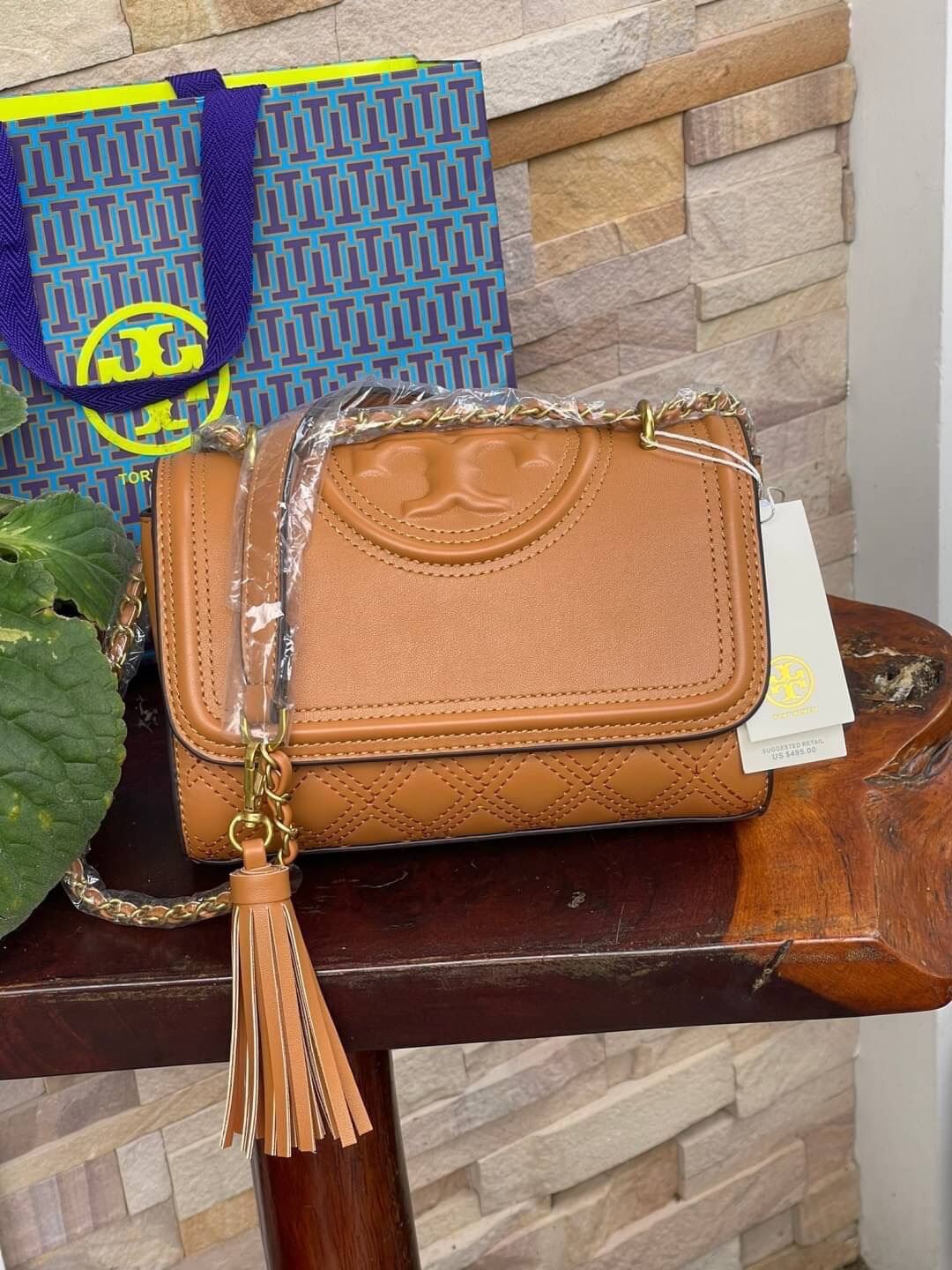

  • Timeless Luxury Handbag Edit Tory Burch Slides

    Tory Burch Outlet Claims: Truth, Myth and the Difference

    In apparel retail, the outlet query pulls in more noise than almost anything else, and almost none of it comes from the company. What the phrase tory burch outlet really describes is two different things at once: a verifiable set of locations inside premium outlet centres, plus a shifting population of websites that borrow the name. A trained eye is not what tells apart them, since the brand has published a plain statement that settles most of the question. What follows takes the most frequently repeated claims, labels each one as the myth it is, and puts the verified position alongside. Any prices quoted below are observed market figures from September 2026 rather than an official price list. The habit to build is simple: stop wondering whether a discount seems attractive, and begin asking which channel is offering it.

    Myth: the company sells through an official online outlet

    No such site exists, and this is the load-bearing fact. In its own counterfeit guidance the brand says outright that it does not have an online outlet website. That guidance also lists where authentic product is sold: brand stores, brand outlet stores, the brand’s own website, and selected authorised department and specialty retailers. The tory burch women two statements together make the conclusion inescapable, since a page arranged to look like the official online outlet is misdescribing itself by definition. This is not a judgement about a given operator, and it does not depend on how convincing that operator looks. It is a structural fact about the channel, and it explains why outlet shoppers come unstuck: the offer gets evaluated and the seller does not.

    Fact: the physical outlet network is genuine

    Physical outlet stores are long established, grouped in premium outlet centres. Among the locations on published listings are Woodbury Common in Central Valley, New York; Las Vegas North; Tulalip in Washington; Cypress in Texas; Halton Hills in Ontario; and centres at Cabazon, Camarillo, Carlsbad, Livermore, Phoenix, San Marcos and Tulsa. There is an official store locator, operated by the company and carrying dedicated pages for outlet locations; it is the only verification tool a shopper needs. No official outlet-store count could be confirmed, so treat any specific number as unsourced. The wider estimate on company boilerplate is around 400 stores worldwide, repeated unchanged for several years and best quoted with that caveat. If it is somewhere you can walk into and it shows on the locator, it is real.

    Myth: design quality proves a site is genuine

    The brand states outright that a web address containing its name proves nothing, and that the same goes for search visibility, slick branding, assertions of official status and cut prices. You can describe the construction pattern purely as a pattern: the brand name stuck to an authority word such as outlet, factory, clearance, official or sale, frequently hyphenated and sitting on an unusual address suffix. Those addresses are typically registered recently and shielded behind privacy services, so one operation reappears under a new name within weeks. Nor does imagery prove anything, since the brand’s own campaign photography is copied outright and the real layout is cloned closely. The catalogue gives them away instead: every item reduced by the same percentage, sizes that never run out, machine-translated names, and styles drawn from seasons never sold together. The trust pages do the same, usually showing no verifiable address, a free-mail contact, a dead phone line and a stale copyright year.

    Myth: Saks OFF 5TH is still the easy online discount route

    Of all the advice in the discount literature for this brand, this is the stalest. In early 2026 Saks Global filed for bankruptcy and abandoned the off-price business, with the Saks OFF 5TH e-commerce operation shutting down entirely. Around a dozen physical locations survive and no more, operating as clearance outlets for full-line inventory rather than as a national chain. Nearly every older article on finding this brand cheaply still sends readers to that site online, and the advice now leads nowhere. Anyone with a habit built around it should drop it for another route rather than assume the site is temporarily down. It is worth putting bluntly, since a shopper chasing a defunct retailer is exactly the one most likely to land on an imitation storefront instead.

    Fact: genuine off-price options have not disappeared

    The loss of one off-price retailer does not close down the category. Nordstrom Rack carries the brand and has been expanding, with roughly twenty-three new stores reported for 2026. TJ Maxx and Marshalls, both under TJX, carry it too, and TJX has reported plans for around 146 net new stores across 2026. Nordstrom full-line sale and clearance events carry the brand as well, which is a different mechanism arriving at a similar outcome. Beyond discount channels, authorised current-season stockists include Bloomingdale’s, Saks Fifth Avenue, Shopbop, Zappos, Farfetch and SSENSE, and warehouse clubs have listed styles such as the Ines slide. None of these guarantees a particular discount at a particular time, and off-price assortment is unpredictable by design.

    Myth: a „made in China“ label means the item is not genuine

    It is the most widely used false authentication test applied to the brand, and it fails at once. China, Italy and Portugal are all reported as genuine production origins, and other countries appear in the market too. Country of origin therefore authenticates nothing here, and rejecting a real item on that basis simply loses money on a returns cycle. Related myths fare just as badly, since dust bags are counterfeited and sold separately, as are boxes and paper hangtags. On serial numbers the guidance contradicts itself, with some consignment authenticators saying these bags carry none and others describing an interior style and production code. Neither position is settled, all of it comes from commercially interested parties, and no official authentication service run by the brand could be identified.

    The signals, side by side

    Holding both patterns in view works better than testing one attribute at a time. The middle column shows the behaviour of a legitimate channel, while the right-hand column describes the imitation pattern. A single row proves nothing on its own, since a competent operator will get several rows right. It is the combination that matters, and the payment row comes near to decisive. Everything below is a description of patterns, not of any named business, since the addresses involved rotate constantly. Run it as a checklist prior to entering payment details, never afterwards.

    What to check A legitimate channel The imitation pattern
    Channel type Brand store, brand outlet, brand website or authorised retailer Describes itself as the official online outlet
    How deep the discount goes Changes by item and by season Flat 80 to 90 per cent site-wide
    Stock behaviour Sizes and colours go out of stock Nothing is ever out of stock
    How products are named Consistent and up to date Misspelled, or machine-translated
    Contact information Checkable address, phone that is answered A free-mail contact and a dead phone line
    What payment is requested Standard card or wallet checkout Wire transfer, crypto, gift card or bank transfer
    How you arrived Organic search, the locator, or a familiar retailer Paid social, or a shopping advertisement

    How the pitch reaches you, and what to do if you paid

    The warning most articles leave out is about traffic source, not site design. The majority of people who lose money to an imitation storefront are delivered through a paid social or shopping advertisement, not through organic search. The reason it matters is that an advertisement bypasses every habit you have built around recognising a familiar retailer and puts you at a checkout in two taps. The creative relies on urgency, a countdown, a liquidation claim or a discount steep enough to override scepticism, and the outcome is consistent: nothing ships at all, despite a convincing order confirmation, or else a low-grade counterfeit arrives from overseas. In both cases the card details and personal data are the real product being harvested. Should you have paid already, contact your card issuer immediately about a chargeback, change any password reused at that checkout, and hold on to the confirmation and the advertisement as evidence. You can report suspected counterfeit operations through the brand’s enforcement contact and through national intellectual property enforcement bodies, but recovery is unlikely if payment was made by wire, crypto, gift card or bank transfer.

    One rule worth keeping

    Boil everything above down to a sentence and you have a rule you can apply in seconds. If a website calls itself an online outlet for this brand, it is not this brand, because the company states it does not operate one. Everything else follows: a physical outlet store is verified against the official store locator, an off-price bargain is verified by shopping a retailer that exists in the physical world, and a discount is never evidence of anything. Learn the correct spelling of the name as well, because misspellings feed straight into imitation-address construction. Keep in mind as well that the real business is not liquidating and does not take eighty per cent off an entire catalogue, so that pitch refutes itself. Apply the channel rule consistently and this whole category becomes boring, which is the correct outcome.

  • Iconic Valentino Shoulder Bag Valentino Rockstud Bag

    Inside the Valentino Bag Archive: Roman Stud, One Stud, Supervee and Escape

    The retirement of a handbag line is rarely announced by a luxury house. The style falls out of the filters, stock dwindles, the product pages remain live like lit windows in an empty building, and one morning the bag exists only on the resale market. Roughly speaking, that is where the Roman Stud, One Stud, Supervee, Escape and Stud Sign currently sit at Valentino, a house that took a different creative direction with Alessandro Michele’s arrival in 2024, taking over from Pierpaolo Piccioli, and that saw the death of its founder Valentino Garavani on 19 January 2026, aged 93. These bags were never his work — he had retired from design in 2007 and sold the company in 1998, yet the fading of a signature carries a small sense of an ending. What follows covers what has left the collection, what the surviving stock cost and what to inspect before buying one second-hand. All pricing below is an observed 2026 market price, not an official price list.

    How to spot a line is on the way out

    Gossip is not needed, because there is a reliable method. The whole trick is simple: compare the line filters on the brand’s own site with the product pages search engines still surface: filters reveal what the house currently sells, what remains in the system shows up on the pages. The current filters, as of September 2026, list Alltime, Antibes, Carry Secrets, DeVain, Djuna, Flutterby, Laseine, Locò, Nellcote, Panthea, Rockstud, Rockstud Spike, Vain, VLogo Signature and VSling. Not a single one of the filters lists Roman Stud, One Stud, Supervee, Escape or Stud Sign. Nothing marks a line valentino bag being wound down more clearly than a style missing from the filters whose page is still live. The Rockstud motif, which arrived in Fall 2010 on footwear under then co-creative directors Maria Grazia Chiuri and Pierpaolo Piccioli, still anchors the collection, so this is light pruning, not reinvention.

    Roman Stud: still half in the collection

    The Roman Stud is the most interesting case, because it has not fully gone. Nobody mistakes the design: chevron and rhombus quilting in nappa, tone-on-tone stitching, and maxi pyramid studs set into the quilt lines. The current filters no longer carry it, yet product pages persist, and one observed example tells the story better than any statement. A small Roman Stud Handle Bag in denim, 21 by 17 by 14 centimetres, with argyle quilting, antique-brass studs, a front twist-lock and rear magnetic closure, made in Italy, showed a price of 3,550 dollars and marked as a reserved product and not orderable. Visible, priced, fully described and unavailable — that is exactly what mid-exit looks like. Read the Roman Stud as transitional: in practice, the secondary market is where you will find one.

    One Stud: stripped to a single gesture

    Restraint is the idea: beside the Roman Stud’s multiplied hardware, the One Stud offers a single oversized stud. The archive column is where it sits, as the current filters do not list it either. One large One Stud tote in nappa was observed at about 1,695 dollars, through a third-party retailer rather than the house, which is a useful reminder that a live listing is not current production. A season after a line ends, retailer stock may still be on the shelf, discounted at whatever the retailer decides. You will find no launch year here: the dates circulating for this model come from a single unverified source, and a guess dressed as fact helps nobody. What can fairly be said is that the shape reads quieter than most Valentino bags, which is exactly why some buyers hunt for it.

    Supervee: resale only, and thinly traded

    The Supervee sits within the VLogo family, using the V emblem as the structural event on the front rather than a small badge. It is gone from the collection altogether, with not a trace of the in-between status the Roman Stud occupies. A single pre-owned VLogo Supervee shoulder bag appeared at around 866 dollars, and figures like that tempt people into treating one listing as the market rate. One listing does not make a market rate. Condition, colour, finish and seller patience can push the next example hundreds of dollars in either direction when a style trades this thinly. If you are hunting an archive valentino shoulder bag, follow a few platforms for weeks and build a range first.

    Escape: reported discontinued

    The VLogo Escape tote is the clearest case of the five, since a resale platform has reported it discontinued outright. The construction is easy to identify: hammered and quilted leather, double top handles, a removable shoulder strap and gold-tone hardware, built as a working tote and not an occasion piece. Because practical bags get used rather than stored, second-hand examples reflect it. The handle roots and base corners will show more wear than they would on an evening style of the same age. A discontinued valentino tote bag competes with current VLogo Signature shopping bags, observed between 2,650 and 3,750 dollars, which means the pre-owned price has to be properly attractive. Condition, not the model’s reputation, should decide each example.

    Stud Sign, and the ones on the edge

    The Garavani Stud Sign does exist as a named product, most visibly a Stud Sign VLogo leather shoulder bag, but it is not in the current filters. Its position is archive or clearing rather than active, showing up occasionally at retailers working through remaining stock. The Candystud is another matter: named repeatedly in resale commentary as a house classic, it could not be verified as part of the current collection, so it belongs in the unresolved column. Capsules, regional exclusives and retailer stock blur the line between current and archive, which makes this sort of ambiguity unremarkable at the edges of a large catalogue. The safe position is that anything absent from the brand’s own filters ought to be treated as a secondary-market purchase. A seller who says otherwise should be asked to point to where it sits in the current collection.

    What the archive really costs

    There are two price sources for these bags, and confusing them produces bad decisions. The retailer, not any official valentino bag sale, prices leftover new stock, which can sit some way above or below the pre-owned figure. Secondary-market pricing depends on condition and completeness, and in thin markets it moves unpredictably from listing to listing. Rebag’s figures put the Roman Stud Flap at 58 percent of original retail, the strongest result in the range, against a house average of 41 percent for Valentino handbags in 2023 — retention being the one piece of hard data available, and a flattering one. Read it as observed market behaviour rather than a promise: secondary prices can go down. Below, the table summarises each line’s status alongside the figures observed for it.

    Model line Where it stands What was observed
    Roman Stud Winding down; absent from the filters, pages still load Denim Handle Bag $3,550, reserved and not orderable; flap style 58% retention
    One Stud Archive; absent from the current filters Large nappa tote about $1,695, third-party retailer
    Supervee Found on resale only Pre-owned VLogo shoulder bag at about $866
    Escape Discontinued according to a resale platform No confirmed current price
    Stud Sign Archive or clearance; not in filters No verified price available

    How to buy an archive bag without regrets

    Before anything else, confirm which company made the bag: Mario Valentino S.p.A. is a separate and unrelated business whose products also sell under a Valentino name. Look for VALENTINO and GARAVANI in capitals with MADE IN ITALY on an interior tag, sewn on all four sides, evenly stamped and unsmudged. Inside an interior pocket there is usually a tag with a serial number, but not every bag has one, older models may carry none, and its absence proves nothing about authenticity. There is no date-code system to decode, so disregard anyone who claims to read a manufacturing date from the numbers. On archive pieces, check stud seating, plating wear at the base corners, the action of any twist-lock and whether the lining has been cleaned or replaced. Demand photographs of the tag, base, hardware underside and strap attachments before paying anything.

    What a disappearing line really means

    An archive valentino bag is no worse an object than it was last season, whatever has changed. Lines are cut for commercial reasons, and a bag whose motif no longer suits the current direction is still beautifully made, with the Italian construction it had. In practice the effects are limited: no new colours or seasonal materials, no guaranteed boutique repairs indefinitely, and a slow drift in how recognisable the design feels. Set that against the fact that an archive valentino garavani bag typically costs less than the current-collection equivalent and is far rarer on the street. The Roman Stud flap is the standout performer among these lines for anyone who cares about resale strength. If you just want the bag, secure the best condition you can find from a seller who shows you everything, and stop worrying about what the filters say.

  • Bold Graphic Wear Godspeed NYC Tee Drop

    7 Common Misconceptions About the Word Godspeed

    Few English words are misunderstood quite so confidently. People hear godspeed and land on velocity: go fast, get there quickly, hurry along. That reading has been wrong for something like seven centuries. The word is a linguistic fossil, an optative phrase from Middle English that fused into one term and then survived into launch pads, farewell speeches, eulogies and clothing labels. What makes the tangle worth sorting out is that it is not random. The errors group into a small set of patterns, each checkable against the dictionary record. Below are the seven that surface most often.

    1. Godspeed Means Go Fast

    This one is the misconception that produces all the rest. The phrase comes from Middle English God spede, elliptical for God spede you, meaning roughly that God should cause you to prosper or succeed. Carrying the sense is the archaic verb speed, from Old English spedan, meaning to succeed, prosper, advance, achieve one’s goal. The modern velocity sense arrived considerably later: the sense „go hastily“ is recorded around 1200, while „drive fast“ appears only in 1908. That older meaning is still alive in the fixed expression „speed the plough,“ in which nobody imagines a farmer racing. Which means the godspeed meaning is a wish for a successful outcome, not a hurried one, and a slow expedition that ends well is exactly what it asks for.

    2. The Word Was Coined by Scott Carpenter in 1962

    The single most famous use of the word is Scott Carpenter’s line at the launch of Friendship 7 on 20 February 1962, as John Glenn became the first American god speed hoodies to orbit the Earth. Carpenter was the backup astronaut, and he later said the phrase occurred to him on the spot rather than being planned. He attributed the instinct to his own generation of test pilots, for whom speed was close to magic, and nobody had yet gone that fast. That association is genuine, but it is his, not the word’s. Major American dictionary references put the origin in Middle English between 1250 and 1300; Etymonline carries the form from the late fourteenth century and its use as a parting salutation by the middle of the fifteenth; Merriam-Webster puts a first known use in the fifteenth century. Carpenter popularised a word five centuries older than he was, and Glenn returned it in 2013.

    3. It Should Be Spelled „God’s Speed“

    The possessive form is a folk respelling rather than the standard. The original contains no genitive, since the phrase is a verb clause rather than a noun phrase: the subject is God, the verb is spede, and the traveller is the implied object. Among the historical variants on record are God-speed, God speed, godspeed and, confusingly, good speed. As Etymonline notes, God and good were spelled alike in the relevant period and routinely mixed up, and that is precisely where the „good speed“ variant comes from. Current usage settles on one word, capitalised or lowercase; apostrophes, „gods speed“ and the misspelling „godspead“ are simply errors. For edited prose, write one word and leave out the apostrophe.

    4. It Is a Funeral Word

    Godspeed does turn up in eulogies, and that visibility persuades people it belongs to death. The plain Merriam-Webster definition of the noun is „a wish for success given to a person on parting,“ which is broader than the funerary reading suggests. The word is at home at departures and launches, on expeditions, at deployments, before surgery, when a colleague leaves a job, and when someone starts a risky venture. Every one of those is a parting, and none is a funeral. Its ceremonial register is what fits a eulogy, not any link to mourning. Confining it to the dead removes it from most of the situations it was made for.

    5. It Began as an Acronym or Aviation Slang

    The word looks compact and technical, and its most famous outing happened at a rocket launch, so people assume it began in a cockpit. It is not an acronym, and no expansion has ever existed. Nor is it military or aviation jargon, since it was a settled parting salutation centuries before powered flight. Its structure puts it in a family of optative phrases that invoke God directly, beside „God bless“ and „God damn,“ where subject and verb fused into one word through what linguists call univerbation. As soon as you notice the pattern, the shape is no longer mysterious. It is an old blessing that lost its spaces, not a code that lost its periods.

    6. The King James Bible Uses It the Way We Do

    In the King James rendering of 2 John 1:10-11 the two-word form appears in the instruction „neither bid him God speed,“ and readers frequently cite it as proof of the modern farewell sense. The passage does the opposite. There the phrase translates the Greek chairein and greets someone arriving, which is why modern translations render it as a welcome rather than a farewell. It is a warning about hospitality, not departures. So it is a genuine reversal of present-day usage, and a tidy example of how far a phrase can drift while keeping its shape. Answer the question of what is godspeed by pointing at that verse and you are describing a hello while calling it a goodbye.

    7. The Capital Letter Marks the Religious Version

    A persistent belief holds that capitalised Godspeed is the pious form and lowercase godspeed the secular one. Dictionaries attest both, and neither one carries that distinction. The capitalised spelling prevails in American usage as an inheritance from the divine name inside the original phrase, and lowercase treatment is standard elsewhere. Reference works part company over part of speech rather than piety: one widely used American dictionary gives it as a noun in the United States and an interjection in Britain, while Wiktionary treats it mainly as an interjection and marks it literary. The religious element is in the etymology whatever case you use, which is why many non-religious speakers use it without friction. Pick one capitalisation, stick with it, and stop worrying about the theology of a capital G.

    Assumption Against the Record: A Quick Correction Table

    The seven errors are easier to keep straight when claim and evidence sit side by side. Each line sets the popular assumption against the dated or documentary fact that contradicts it. Dates come from standard reference sources, which differ a little because they measure different things: the earliest attested form, the earliest recorded sense and the earliest use as a salutation are three separate milestones. Such variation is normal rather than a sign of an unreliable record. The table shows too how the misconceptions reinforce each other: the velocity error feeds the aviation error, and the aviation error feeds the coinage error. Correct the first and the rest tend to collapse.

    Widespread belief What the record shows
    It is about travelling fast The verb „speed“ held the sense of prospering or succeeding; „drive fast“ dates only to 1908
    Invented by an astronaut in 1962 Attested in Middle English from roughly 1250-1300; a parting salutation by the mid-fifteenth century
    Written „God’s speed“ No possessive appears in the standard form, and the older confusion produced „good speed,“ not an apostrophe
    Only used at funerals Defined as a wish for success on parting, and used at launches, deployments, surgeries and new ventures
    An acronym or forces jargon An optative phrase parallel to „God bless,“ fused by univerbation long before aviation existed
    The King James use agrees with ours In 2 John it greets an arriving person and translates Greek chairein
    The capital G signals piety Both Godspeed and godspeed are attested in dictionaries, and the difference is regional convention

    Why It Keeps Resurfacing

    An archaic blessing might reasonably have faded out, yet godspeed keeps finding new carriers. Part of that is ceremonial demand, since English is short of dignified ways to farewell someone heading into difficulty. Part of it is the space race, which fastened the word to one of the most replayed pieces of audio in American history. And some of it is commerce: a New York streetwear label trades under the name, and searches for a godspeed shirt or a godspeed hoodie now sit beside searches for the definition. That brand publishes no origin story of its own, so anyone reading its graphics for a hidden etymology is guessing rather than citing. Worth naming, that overlap is now a main reason the word gets searched at all.

    None of that touches the underlying sense. Whether the word turns up on a hangtag for god speed clothing, in a eulogy or in a note to a friend beginning something hard, it carries the same fifteenth-century wish. Those buying godspeed shirts and those quoting Merriam-Webster deploy the same six-hundred-year-old sentence. Knowing that does not make the word more formal or less usable; it means you are saying what you think you are saying. That is the point of clearing up a misconception. Save it for departures, aim it at success instead of haste, and it works.

  • High Fashion Collection Fast Delivery

    Seasonal Palm Angels Collection Developments Meriting Following

    Palm Angels has refined the art of reinvention without dropping the DNA that transformed it a streetwear leader. Every season, creative director Francesco Ragazzi introduces fresh themes, unexpected collaborations, and design changes that leave the fashion industry on alert closely. Since the brand debuted its first runway collection at Milan Fashion Week in 2018, each ensuing season has expanded a narrative merging Los Angeles skate culture with Italian tailoring in ways that read real and forward-thinking. The luxury streetwear sector is estimated to exceed $200 billion by 2027, and Palm Angels persists in securing meaningful market share by outpacing creative curves. This article examines the most consequential seasonal trends through 2026 and identifies where the brand appears to be heading next. Whether you are a veteran collector or a new enthusiast, these observations refine your ability to forecast upcoming releases and spend wisely in pieces with sustained relevance.

    Spring/Summer 2026: Desert Palettes and Deconstructed Silhouettes

    The Spring/Summer 2026 collection marked a conscious move from the fluorescent palettes that pervaded earlier warm-weather lines. Ragazzi gathered inspiration from California desert landscapes, translating sun-bleached earth tones, terracotta, dusty sage, and washed indigo into a collection that appeared more evolved without abandoning defiant edge. Silhouettes were noticeably deconstructed, with raw-edged hems on T-shirts, uneven jacket cuts, and purposefully oversized proportions manipulating volume and negative space. Lightweight technical fabrics appeared more heavily than in previous spring collections, reflecting a broader shift toward garments functioning in hot climates while maintaining sophistication. The standout mesh-paneled track jacket sold out within 72 hours and commands resale premiums of around 45 percent above its $650 retail price. Graphic treatments trended toward tonal logo-on-logo designs italian designer women rather than high-contrast prints, indicating a certainty in brand recognition that no longer demands maximum visibility for impression.

    Fall/Winter 2025-2026: Gothic Undertones and Heavy Layering

    The Fall/Winter 2025-2026 collection unveiled a more dramatic, more thoughtful side of Palm Angels that struck a chord profoundly with both critics and consumers. Gothic-influenced graphics—skulls, monochrome flames, and distressed typography—surfaced across hoodies, bombers, and oversized scarves, forming a seamless nocturnal mood. Layering was central to the styling philosophy, with lookbook images showing four and five layers built from base tees through flannels, vests, and dramatic outerwear. Heavyweight fleece and quilted materials took center stage, with several pieces exceeding 400 grams per square meter—a meaningful jump from the brand’s typical 300-350 GSM cold-weather range. The Moncler collaboration delivered puffer jackets fusing Palm Angels graphics with Moncler’s iconic insulation technology, performing in sub-zero conditions and stylistically arresting. Industry sources stated the FW25-26 collection outsold its predecessor by approximately 20 percent in the first month of availability. The gothic turn demonstrated fans respond to aesthetic experimentation when execution delivers the quality and attitude they demand.

    Primary Trend Categories Across Recent Seasons

    Trend Category SS25 FW25-26 SS26 Projected FW26-27
    Dominant Palette Neon, tropical brights Black, burgundy, charcoal Desert earth tones Deep navy, forest green, rust
    Silhouette Easygoing but tailored Generous, stacked Undone, off-balance Tailored-oversized hybrid
    Key Fabric Breathable cotton, mesh Heavyweight fleece, quilted nylon Technical mesh, washed cotton Bonded wool, technical blends
    Graphic Style Bold multi-color prints Gothic monochrome Tonal logo-on-logo Embroidered minimalism
    Collaboration Under Armour capsule Moncler puffer collection New Balance footwear TBA (rumored automotive)

    Collaboration Collections That Influenced the Journey

    Collaborations have been a hallmark feature of Palm Angels‘ growth, with each partnership thoughtfully stretching the brand into complementary cultural arenas. The Moncler collaboration, running since 2020, remains the most commercially successful partnership, generating estimated revenues exceeding $30 million across all capsule releases through 2026. The Under Armour partnership introduced Palm Angels into performance athletics, producing training-ready apparel carrying Ragazzi’s graphics into gyms and running tracks previously unreached by luxury streetwear. Spring/Summer 2026’s New Balance collaboration created three sneaker colorways merging palm tree motifs with the 990v6 silhouette, resonating with sneakerheads and fashion consumers together. Each collaboration utilizes a proven formula: partner with a brand commanding deep credibility in a specific domain and inject Palm Angels‘ visual language without watering down either identity. As Business of Fashion has noted, Palm Angels‘ collaboration model stands as a blueprint for how mid-size luxury brands grow awareness without overexposing mainline collections. The selectivity—two to three partnerships per year rather than monthly drops—upholds a sense of exclusivity that sustains consumer interest across seasons. Market speculation indicates a Fall/Winter 2026-2027 automotive brand collaboration representing Palm Angels‘ first lifestyle merchandise expansion beyond apparel and accessories.

    Color Trend Shift and What It Means

    Following Palm Angels‘ color choices across seasons uncovers deliberate strategy paralleling broader cultural movements while keeping distinct brand personality. The intense neons of 2024 and early 2025 captured post-pandemic optimism pervading the entire fashion sphere. The shift toward gothic darks in FW25-26 harmonized with the quiet luxury trend, though Palm Angels typically added rebellion with distressed graphics stopping corporate or conservative reads. Spring/Summer 2026’s desert earth tones aligned the brand alongside growing interest in sustainability-conscious aesthetics, even as construction persisted in premium synthetic and cotton blend territory. Ragazzi describes color as a communication tool, with each seasonal palette acting as a chapter in an unfolding visual narrative. Early adopters who watch these trends can forecast collection directions—those who invested in earth tones before SS26 found themselves set up to integrate new pieces effortlessly. Knowing color trajectory also supports resale strategy, as pieces in presently trending palettes consistently command stronger secondary-market prices than off-trend seasons.

    Footwear and Accessories: The Evolving Frontier

    While apparel continues as core business, Palm Angels‘ footwear and accessories have surged dramatically in both revenue and cultural importance through 2026. The Vulcanized sneaker line, launched in 2021, has grown into a staple with annual updates in material and colorway maintaining the silhouette modern. The New Balance collaboration sneakers reportedly moved over 15,000 units in the first week, validating Palm Angels performs credibly alongside significantly larger athletic brands. Accessories have grown too, with crossbody bags, bucket hats, and phone cases turning into entry-point products onboarding consumers at $80 to $300 before they commit to higher-priced apparel. Eyewear develops at roughly six new styles per season, each reflecting the collection’s creative direction. These categories generate social media visibility, as accessories are among the most featured items on Instagram and TikTok, where Palm Angels commands a combined following exceeding 5 million. For trend followers, the accessories lineup commonly gives early clues about design directions emerging in mainline apparel the following season.

    How to Prepare for Palm Angels Seasonal Drops

    Enhancing access to seasonal releases takes layering information sources, timing awareness, and strategic purchasing beyond only checking the website on launch day. Follow Palm Angels‘ social media channels with notifications enabled, as the brand teases upcoming pieces through Instagram stories days before items surface on the official e-commerce site. Sign up for newsletters from both Palm Angels and authorized retailers like Ssense and Antonioli, who sometimes open pre-orders before mainstream availability. Fashion week coverage supplies the earliest collection previews—runway pieces usually reach retail four to six months later, giving you generous time to plan your budget and wishlist accordingly. Track resale platforms to evaluate which current-season pieces are generating the most secondary-market demand, as high premiums commonly reflect limited production runs deserving of prioritizing when restocks momentarily become available. Follow community channels on Reddit and Discord where members routinely drop restock alerts, sizing advice, and early reviews facilitating smarter purchasing decisions. Establishing relationships with physical retail sales associates can open up access to reserved pieces and advance stock notices that purely online shoppers realistically cannot access.

  • Spider Official Website Store sp5deronline.com

    Spider Shirt 555, decoded for 2025

    Spider Shirt 555 represents a graphic-intensive streetwear piece that magnetizes replicas, measurement problems, and price swings across cycles. You can purchase securely in 2025 by verifying construction and tags, matching measurements to your frame, and timing the market for releases, restocks, and reseller drops. This resource breaks down the exact inspections and strategies that dependably function.

    This 555 artwork appears in multiple colorways and print techniques across releases, which clarifies why universal „catch-all“ guidance keeps failing buyers. Rather than memorizing images, base your evaluations on construction, threading, graphic chemistry, and vendor history. Handle sizing as a measurement exercise, not a tag on the tag. Concerning pricing, analyze current comparables and the launch schedule rather than chasing the loudest listing. The outcome becomes a buy that seems correct on the first day and remains solid following ten cleanings.

    What’s the way to verify an authentic Spider Shirt 555?

    Check the piece’s build first, then the branding and materials, then the vendor’s history. Genuine 555 shirts display even seaming, neat high-density or puff-print execution, accurate color building, and branding that match the release and location.

    Replica makers enhance images but still cut costs on material thickness, print composition, and completion. Begin with cloth sensation, move to seams and graphic edges under bright, raking lighting, and inspect internal tags for uniformity in gaps and alignment. Cross-check the piece’s palette and product coding versus company statements or credible merchant databases. Ultimately, check the merchant’s exchange policy, shipping origin, and purchase record that precedes the listing.

    What ought branding, tags, and look what i found at spyderhoodies.org wrapping show?

    Genuine shirts feature a tidy constructed or printed neck brand with consistent seaming, clear fonts, and regular letter-gaps throughout text. Maintenance tags appear clearly, resist fraying, and correspond to listed fabric makeup to the fabric hand-feel.

    Look at the brand perimeters for tight, symmetrical stitch patterns and no glue bleed. Care labels should contain cleaning directions that correspond to the print method; puff-print designs typically require for reversed cold cleaning and minimal warmth or line-dry. Barcodes or SKUs should not be generic; if present, they align with a known colorway and size naming scheme. Packaging is clean, not fragranced, and all labels remain placed and produced neatly without soft borders. Conflicting typefaces between collar and washing tags, skewed graphics, and inconsistent punctuation are recurring red flags on replicas.

    Do the graphics and texture meet the test?

    Real 555 designs show crisp edges, opaque inks, and consistent finish; elevated-print lifts uniformly without craters or tiny holes. The garment’s textile typically feels mid- to thick-weight with a compact, regular knit and stable side seams.

    Run a fingertip along the graphic’s borders; you must sense a uniform change from textile to color with zero gritty residue. Thick-layer or raised areas rebound gently when squeezed and won’t peel when bent gently. Check shade meetings where the web, numerals, and logotype connect—genuine items position levels accurately without bleeding. Flip the garment inside out and examine for little color seepage and no stiff, plasticky rectangles that signal an inferior process. The frame should drape cleanly from collar to hem without twisting, an indication of proper knit alignment.

    Does price alone uncover a counterfeit?

    Pricing constitutes a signal, not a judgment. Unusual discounts appear doubtful, but so are panic-inducing highs that rely on hype rather than comparisons.

    Review a fourteen-day period of postings sold, not just posted, to locate a realistic range for your particular colorway and size. Massive reductions from recent vendors with standard pictures are risky unless the vendor can demonstrate receipts or previous purchase background. Cyclical drops occur following significant launches and immediately before important events, when merchants pursue cash flow. State also accounts for variation: deadstock with tags cost more than carefully worn, which itself surpasses imperfect designs or expanded openings by a significant spread. Regular traders with lengthy histories of authenticated transactions merit more confidence than shops with nothing preceding than yesterday.

    Fit: will a 555 garment match your body?

    Most buyers get their finest success by sizing a beloved garment and aligning figures, not dimension labels. Anticipate minor reduction if the textile is 100% cotton and not pre-treated.

    Measure pit-to-pit, shoulder breadth, and rear dimension on a shirt you presently like. Compare to the seller’s garment numbers, not a standard table. When the garment employs heavier cotton and a boxy cut, you may experience a loose hang that feels roomier even with the same pit-to-pit. For all-cotton weave, plan for roughly 2–4% contraction following the initial cleaning unless marked pre-treated; cleaning cool and line-drying handles most of it. When you’re between fits, the wiser choice is matching to your shoulders, not your chest, because shoulder seams dictate how finished the tee looks.

    The fast-sizing solution and shrinkage reality

    Select the dimension that corresponds to your shoulder width and armpit measurement from a top you presently fit properly. Factor for minor shrinkage on untreated material by preserving 1–2 cm margin in width and length.

    A shirt that fits in the shoulders but is somewhat loose in the chest reads deliberate; a shirt that’s tight in the collar area appears wrong instantly. When the advertisement includes piece numbers, focus on them over „accurate-fit“ statements, which change by drop. For mixed-fiber blends, shrinkage typically runs less than 100% cotton but still probable when machine-dried. When uncertain, request the vendor for laid-flat pictures with a ruler across pit-to-pit and from top point collar to bottom. Minor, checkable digits surpass manufacturer tales every time.

    Size yourself and align the shirt

    Utilize a pliable tool to calculate shoulder span across your rear, torso dimension at the broadest location, and desired shirt dimension from collar to hem. Convert chest measurement into a goal underarm width by halving and adding ease.

    For a normal cut, include approximately 5–7 cm of ease to half-chest; for a square streetwear fit, add 7–10 cm. If your chest is 100 cm, you’ll seek 55–60 cm underarm width based on drape preference. Ideal garment measurement generally lands around center-fly for a proportioned profile; greater measurements skew street, shorter dimensions lean retro. Verify sleeve measurement when you favor elbow-reaching sleeves; wide shapes commonly offer that out of the box, while standard silhouettes won’t.

    Material, shape, and drape explained

    Thicker material weaves hang more directly and read more structured, while finer constructions track body curves and might seem slimmer. Boxy cuts widen pit-to-pit and decrease measurement for a trimmed, wide look.

    If you prefer a square silhouette that highlights the 555 design, emphasize pit-to-pit and shoulder breadth over dimension. When you favor a traditional proportion, look for longer rear dimension and a reasonable underarm room. Collar dimension changes the vibe; higher ribbed necklines feel contemporary and maintain form better, but might appear constricting on wider necks. Pre-washed or garment-dyed pieces may feel softer and slightly smaller on delivery because of pre-treatment—use measurements over tags to prevent surprises.

    Where are the top genuine offers in 2025?

    Watch official drops, authorized retailers, and reliable dealers during restocks and post-hype drops. Verify first, then negotiate.

    Initiate with the manufacturer’s notification systems for release timing. Check with recognized shops famous for confirming stock; when a shop represents an official distributor for the company, you reduce the hazard substantially. Via resale platforms, filter for merchants with an extensive background of completed, authenticated sales. Worldwide postings occasionally achieve lower prices after currency moves or regional restocks—factor shipping, fees, and exchange difficulties into the total. Save searches for your particular palette and dimension to snag discounted, freshly advertised goods before they’re gone.

    Periodic coordination and drop cycles

    Best-value windows cluster directly after significant releases, mid-period, and just before year-end when merchants liberate up cash. Expect price firming just before festival seasons and style periods.

    Merchants eliminate inventory at period conclusions; that’s when unusual fits or hues slip into reductions. Resale prices often dip two to four weeks following a significant launch as initial hype settles and traders outbid each other. Festival seasons might generate discount codes, but rivalry increases—establish alerts early. Monitor schemes; standard colors typically preserve price longer than bright periodic shades, which see deeper discounts later.

    Pre-owned vs. fresh: what’s a reasonable number?

    New-in-package items demands the greatest price; gently worn settles at a assessed markdown if the design and collar are clean. Stains near graphics and elongated necklines force rates down sharply.

    Ask for daylight pictures of collar stretch, design surface, armpit seams, and edge form. Minor-fracturing in elevated-print is normal with wear but should be consistent; peeling or lost sections suggests inferior pigment or temperature injury. A tidy wash history—cold laundering, line-dry—protects price far better than machine-dry cycles. For rare colorways, lightly used items may exceed damaged „fresh without marking“ offers because condition trumps label claims. Always evaluate the markdown against mendability; openings don’t recover, but minor stains removed from the graphic periodically do.

    Genuine vs. fake: direct comparison signals

    Utilize the grid to focus on consistent, physical differences that preserve during inspection. It’s built for fast checks before you pay.

    Check Real Marker Replica Tell Why It Counts
    Neck label Consistent seaming, clear text, regular gaps and brand thickness Frayed edges, fuzzy graphics, irregular spacing or logo thickness Manufacturers reduce expenses on labels; typography and polish show it
    Graphic borders Crisp edges, minimal bleeding, even glossy/flat across hues Excess application, rough edges, random shine differences Appropriate templates and colors generate clean, consistent applications
    Elevated/dense-coat color Uniform lift, bounces when compressed, consistent height Micro-openings, weak sensation, peels when curved lightly Ink chemistry and cure temps are difficult to replicate well
    Fabric hand-feel Moderate/substantial construction, firm side seams, consistent dye Light, droopy weave, rotating stitching, irregular color Inferior bases communicate standard instantly
    Washing tag information Instructions match print process (inverted, cold wash) Standard „heated cleaning, heat dry maximum“ regardless of graphic Conflicting maintenance represents a pattern reveal
    Packaging Fresh scent, placed decals, sharp text reproduction Intense scent, offset markings, diluted text Bulk-produced fakes hurry finishing

    „Professional advice: When you can’t inspect directly, ask the merchant for a brief recording that sweeps across the graphic border in natural light at a minor angle—substandard ink lay and ghosting stands out on video in approaches pictures could hide.“

    Care and longevity: keep the print, preserve the form

    Launder inverted on cold, reduced spin; air-dry flat or minimal temperature; prevent direct pressing on graphics. These practices maintain raised-ink elevation, pigment flexibility, and neckline durability.

    Heat is the enemy of stretch and print life; tumble drying on elevated hastens splitting and collar fatigue. Utilize a liquid detergent without optical boosters, which might haze darker colors. If a stain hits the graphic, blot with a gentle mixture and never rub the print surface. Store bent rather than hanging to stop shoulder bumps on heavier knits. If you travel, roll the garment with paper over the design to prevent pressure marks.

    Red flags that keep ensnaring careful buyers

    Standard pictures only, minimal piece numbers, and dodging responses about return policies are deal-killers. Urgency text with „ultimate pair, price tomorrow increases“ is performance, not evidence.

    A merchant who refuses daylight photos probably conceals shade drift or print flaws. International listings with unrealistic cost and no duties info often compensate with limited exchanges. Maintenance markings that contradict the print technique indicate pattern use. Strange shipping sources compared to the alleged retailer area require inspection. When uncertain, skip; there’s constantly another listing, and you only need one great shirt.

    Five missed details concerning the 555 line

    The „555“ graphic has shown across multiple drops and print executions, so there’s not a unique „proper“ elevated height—focus on consistency within a piece rather than complete weight; scheme names can vary between locations or merchants, which explains slight label or SKU variations without suggesting a counterfeit; fabric knit usually contracts slightly after the initial cleaning and then normalizes—arrange your dimension for that opening small-reduction; piece-tinted versions may have slight shade difference section-to-section because of dye uptake differences, which is normal for that method; reliable sellers store product pages even after sellout—those cached pages are useful for cross-checking color placement and copy.

    Ultimate position: purchase smart, not twice

    Anchor your decision on three elements: build quality, dimensions, and market scheduling. When a Spider Shirt 555 seems proper beneath careful, directional illumination, aligns with your tape-measure numbers, and falls within a verified price band, you’re set.

    Inspect stitching and graphics before you become amazed by photos. Treat sizing as a figures exercise and preserve a favorite tee’s measurements handy. Track launches and replenishments so you’re purchasing during logical periods rather than excitement peaks. When you merge these actions, you obtain the piece you sought, at the rate you can support, and it continues to seems polished after months of use.

  • Handmade Italian Crossbody The Row Tote Bag

    The Row’s Hallmark Fabrications and Workmanship, Decoded

    Across more than twenty years, The Row has built its name on quiet discipline rather than logos, and that discipline is just what makes the brand’s approach to materials and construction worth exploring closely. When users type in the row, best row bags, or row handbags, they are generally seeking something precise: an understanding of why a plain leather tote or a spare shoulder bag can carry a price tag that rivals heritage houses with a century of history behind them. The answer lives in the nuances most shoppers never see — the tannage of the hide, the density of the stitching, the weight of the hardware — and in the rigor of a design studio that treats simplicity as the hardest possible standard to meet.

    This piece examines what really goes into the row bags and the row fashion as a whole, from raw material sourcing to the finishing processes that set apart a truly well-made piece from something that just looks quiet. We’ll additionally explore how to shop strategically, including where to buy the row margaux bag and what to expect if you’re browsing a row sale in 2026.

    Leather Sourcing Standards: Origins and Tanning Method

    The Row primarily uses vegetable-tanned and chrome-tanned calfskin, as well as lambskin for gentler silhouettes and select exotic leathers for limited releases. The vegetable-tanning process, a process that can span anywhere from 30 to 60 days based on the tannery, results in a firmer hand and a patina that matures with age rather than splitting or flaking. That’s an intentional decision: the row bags are designed to be used for years, not seasons, and the leather is designed to soften and darken slightly with handling.

    Sourcing matters just as much as tanning method. The brand has been known to work with European tanneries in Italy and France, regions that supply roughly 60% the row bags vintage tote bags of the world’s premium leather goods based on industry trade data. Hides are chosen for minimal grain imperfection, meaning a considerable percentage of raw material is rejected before it ever reaches the cutting table. That selectivity is unnoticeable at first glance but becomes evident after two or three years of daily wear, when a lesser hide would already reveal splitting at stress points like handles and corners.

    • Veg-tanned calfskin: more rigid structure, forms patina over 12-24 months of regular use
    • Chrome-tanned calfskin: more pliable immediately, retains shape with more minimal internal structure
    • Lambskin: used for softer, slouchier silhouettes, reduced overall weight
    • Exotic, limited-run leathers: released in limited quantities, generally priced higher

    The Unphotographed Details: Hardware and Linings

    Inspect any row handbags attentively and you’ll pick up on that the hardware lean toward a subdued look — brushed rather than polished metal, usually unbranded, and level with the leather rather than protruding.

    As much as it is an aesthetic choice, this is also a construction one.

    Recessed fittings cuts down on the risk of snagging and gradual wear, and brushed finishes withstand the kind of scratching that appears rapidly on glossier gold-toned hardware.

    Interior linings typically lean toward suede or a tightly woven canvas twill, both chosen for resilience under everyday rubbing and use rather than for decorative appeal. Seam stitching is unusually dense: numerous the row bag shapes feature 7 to 9 stitches per inch on weight-bearing seams, versus a typical industry norm nearer 5 or 6 among mass-market leather items. This single factor explains a significant share of the labor expense built into the price, as closer stitching necessitates slower, more attentive machine processing and often hand-finished seam tips.

    Restraint Requires More Craft, Not Less

    A widespread myth persists that stripped-down design is less costly to produce because it lacks embellishment. Reality points the other way at this tier of construction quality. Without hardware, prints, or decorative stitching to distract the eye, every seam, edge, and proportion has to be perfect, because there is nowhere for a flaw to hide. As a case in point, edge-painting on the row tote bag styles is usually laid down in multiple thin coats and smoothed between coats, a technique that can tack on hours to a single bag’s build time versus a raw-edge or folded-edge treatment.

    The Row Handbag Collection Rundown: Shape and Iconic Forms

    A useful row bags overview starts with recognizing that the brand organizes its handbag output around a handful of core shapes that recur season after season with only minor updates, rather than chasing trend-driven releases. This is unusual in an industry that typically refreshes bag lines twice a year to drive urgency. The Row’s approach instead builds long-term recognition through consistency, which is part of why resale value on the top row bags has remained comparatively strong.

    Widely regarded as the label’s signature shape, the Margaux bag is set apart by its structured trapezoid silhouette, understated exterior hardware, plus a top handle design drawing on vintage doctor’s bags. Buyers frequently ask where the row margaux bag can be purchased, and the candid answer is that access is kept purposefully scarce: it can be found at The Row’s own flagship stores, its official website, and a small number of authorized luxury retailers. Because the limited availability is by design, it heightens both the bag’s allure and its resale value.

    • Margaux: structured trapezoid shape, top handle, found in a range of sizes
    • Sofia: soft-structured tote silhouette with understated exterior stitching
    • Wander: rounded, looser tote form suited to everyday use
    • Ascot: trim top-handle style with a crisper geometric shape

    Weighing Craftsmanship Among Fan-Favorite Shapes

    The comparison below outlines overall structural traits for four frequently cited styles within the row handbags lineup. Such comparisons are descriptive comparisons grounded in design details available publicly rather than definitive measurements, since specific dimensions and price differ depending on the material used and time of year.

    Silhouette Primary Leather Hardware Style Most Fitting For
    Margaux Veg-tanned calfskin Low-profile, brushed metal Boxier regular tote wear
    Sofia Chrome-processed calfskin Subtle, low-set Gentler, slouchier carry
    Wander Lambskin or soft calfskin Understated clasps Lightweight routine errands
    Ascot Veg-tanned calfskin Firm carrying handle Sharp, professional-leaning style

    Buying Wisely: The Row Sale and Resale Considerations

    Since the label infrequently offers price cuts through typical sale calendars, an authentic markdown from the row deserves notice when it appears, most often during seasonal transitions at select department stores or via the label’s occasional price adjustments. Different from high-turnover labels, The Row steers clear of regular discounting to clear stock, so discounts when they do occur tend to signal end-of-season transitions rather than surplus stock.

    When shopping a row sale, focus first on examining structural details in person or through high-resolution retailer photos: stitch density, edge-paint consistency, and how well the hardware lines up are the most immediate indicators of genuineness and craftsmanship level. Demand across resale and secondhand channels for the row’s handbags has climbed notably, with platforms specializing in authenticated luxury resale noting strong retained value on flagship shapes such as the Margaux, often holding 60-75% of original retail price within the first two to three years, contingent on condition and colorway.

    Maintenance Habits That Safeguard Long-Term Value

    Consistent maintenance lengthens both the longevity and market value of any bag from the row. Vegetable-tanned leather is improved by conditioning every 6 to 12 months according to climate and usage frequency, choosing a conditioner free of heavy silicones which might disrupt the leather’s natural aging process. Storing bags upright with the interior lightly stuffed prevents structural creasing, especially relevant for boxier shapes like the Margaux and Ascot.

    • Treat veg-tanned leather every 6-12 months
    • Keep bags in an upright position with light interior support to maintain shape
    • Avoid direct sunlight exposure for extended periods, which hastens fading
    • Wipe down hardware with a soft, dry cloth rather than chemical polishers

    Parting Reflections on Construction Quality as the Real Differentiator

    The throughline across all that The Row puts out is that construction quality, rather than branding, accounts for the substance. Every element, from stitch count to tannage to hardware finish embodies a design ethos rooted in lasting quality instead of seasonal turnover. For those sizing up top row bags versus other luxury alternatives in 2026, the best method is to judge craftsmanship directly — stitching tightness, edge treatment, leather tanning — instead of using price alone as a stand-in for craftsmanship. Ultimately, that’s the distinction between a bag that holds up beautifully over a decade and one that simply looks good for one season alone.

  • Rare Edit Denim Tears Denim Tears Official

    A Care Guide for Denim Tears Pieces: Washing, Drying and Storing

    Think of a Denim Tears garment as something throwaway and you will lose the money you spent faster than you expect. The maths of cost per wear only works if the garment survives multiple seasons in the rotation, and with 2026 market estimates hovering around $250 to $400 for a hoodie and $300 to $500 for a pair of jeans, the stakes are real. There is nothing esoteric in any of this, and that is the reassuring part. The materials are heavy cotton, the make is conventional, and the surface work is a printed or embroidered graphic that reacts predictably around heat, friction and agitation. A handful of habits, applied every single time, is all that stands between a piece still sharp in 2029 rather than tired by next spring. This guide runs in the order you will actually use it: read the garment, wash it, dry it, store it, and learn when to stop interfering.

    Before the Label: Read the Piece Itself

    Before it goes near the machine, give it two minutes of attention. Because a screen-printed graphic, a chain-stitch embroidery and a woven patch all fail in different ways, turn the piece inside out and identify which one you have. Heat and stretching are what threaten a print, which has that faintly raised, plasticised feel. Embroidery lifts off the surface, fades very little, but is prone to catching on zips and washing-machine drums. Then take stock of the base fabric: heavyweight fleece in this segment usually sits somewhere around 380 to 480 gsm, while denim for jeans usually falls in the 12 to denim tears tracksuit 14.5 oz range. Metal buttons and rivets do the most damage to whatever sits next to them in a full load, so note the hardware too.

    Getting the Wash Right: Water Temperature, Cycle and Detergent

    Of every choice here, cold water matters most. Default to 30°C (86°F), treating 40°C (104°F) as the hard upper limit you rarely need to reach. Choose a gentle or delicates cycle and cap the spin speed at roughly 400 to 600 rpm, because a violent spin is what stretches shoulders and distorts hems. Choose a near-neutral pH liquid detergent and use roughly half the dose printed on the bottle, since surplus surfactant leaves a residue that dulls indigo and stiffens fleece. Avoid chlorine bleach entirely, and be equally wary of detergents built around optical brighteners, which leave an unnatural cool cast on ecru and off-white grounds. Skip the fabric softener too: it coats cotton fibres and strips the absorbency that is precisely what makes heavy fleece comfortable.

    Six Steps, Every Time

    Settle on a sequence and use it every time, because consistency beats cleverness. Fewer than five minutes of hands-on work is all the steps below require, and it removes most of the ways a wash can go wrong. Before loading, close anything that might catch, empty the pockets and shake the garment out. Load lightly enough for everything to move freely, because a crammed drum increases abrasion on the print. Wash the piece with similar colours and similar weights rather than mixing it with towels or bedding. Follow the order exactly, and do not improvise a hotter cycle when something looks stubborn.

    1. Flip the garment fully inside out, taking care with the sleeves and hood lining.
    2. So hardware cannot abrade the graphic, close all buttons, zips and drawcords.
    3. Working inward, lift marks with diluted detergent and a soft cloth.
    4. Two-thirds full is the ceiling: a lightly loaded drum protects the print.
    5. Set a gentle programme at 30°C with a low spin and half a dose of liquid detergent.
    6. Take the piece out within fifteen minutes of the cycle ending to stop creases setting in.

    Where Pieces Really Get Ruined: The Drying Stage

    More Denim Tears pieces are ruined in the dryer than in the washer, and it is rarely a dramatic failure. High heat shrinks cotton fleece by anywhere from about 3 to 7 percent on a first hot cycle, and you do not get it back. Printed graphics turn brittle under heat, so an aggressively tumbled Denim Tears hoodie cracks across the chest after a year rather than five. Default to air drying, laying knitwear flat on a rack or dry towel so wet cotton cannot pull the shoulders out of shape. Expect roughly 12 to 24 hours for a heavyweight hoodie to dry fully indoors, and do not leave it in direct sunlight, which bleaches dark grounds unevenly. When you have no choice but to tumble, use the lowest heat setting, take the piece out while it is still slightly damp, and finish it flat on a rack.

    The Raw Denim Question and Denim Tears Jeans

    The rest of the wardrobe follows one rhythm; Denim Tears jeans on a rigid or lightly treated base follow another. Owners typically stretch the interval, commonly every 10 to 30 wears depending on climate and activity, since the fades are part of what you are buying. An overnight airing after each wear handles odour far better than people expect and kills the temptation to wash too often. When a wash is genuinely due, flip them inside out, use cold water at 20°C to 30°C, and drop detergent entirely if you are only resetting the fibres. Heavy denim holds a surprising amount of water, so hang them by the waistband and allow 24 to 36 hours. Resist wringing them out, because twisting a 14 oz cloth pulls the leg seam out of true and sets creases that never fully settle.

    Off-Season Storage: How to Fold and Store

    Storage is where good habits quietly add up over years. Narrow hangers slowly pull the shoulder line out of shape, so fold heavy fleece instead of hanging it. Months under pressure will set a crease into a printed panel for good, so leave space between pieces on the shelf. Steady humidity around 45 to 55 percent is what you want, kept clear of radiators, exterior walls and direct light. Choose cotton storage bags over plastic or vacuum bags, which hold moisture and can leave a musty note needing several airings to clear. What follows is a short off-season checklist, kept deliberately simple.

    • Only ever store pieces clean; body oils and food residue attract insects over a long summer.
    • With the graphic facing outward and uncreased, fold hoodies and sweatpants in thirds.
    • Skip naphthalene mothballs: cedar blocks or lavender sachets work better.
    • Use a clamp hanger and hang jeans by the waistband when shelf space runs out.
    • Give everything a few hours of air when you bring it back into rotation.

    Care Settings by Piece: The Short Version

    The table below boils the routine down to a ten-second check before a wash. Treat the temperatures as ceilings rather than targets, since colder water is safer for both the indigo and the print. Wash frequency assumes ordinary indoor wear in temperate conditions and should shorten in summer heat or after exercise. Air drying indoors, at room temperature, with reasonable airflow is what the drying times assume. The last column carries the one failure most likely to occur, and that is usually what is worth guarding against. The advice is identical whether the piece is a collaboration or a mainline item.

    Garment Maximum wash temperature Usual wash frequency Drying method Chief risk
    Hoodie in 380–480 gsm fleece 30°C / 86°F Every 5–8 wears Air dry flat, 12–24 hours Heat cracking the print
    Jeans, roughly 12–14.5 oz 30°C / 86°F After 10–30 wears Line dry, 24–36 hours Shrinkage and uneven fading
    Tee in 180–240 gsm jersey 30°C / 86°F After every wear Line dry, 4–8 hours Stretched collar
    Sweatpants 30°C / 86°F After 3–5 wears Flat air dry, 10–18 hours Cuffs and waistband going loose
    Cotton shorts 30°C / 86°F After 2–4 wears Line dry, 6–12 hours Hem distortion

    When to Step In and When to Leave It: Patina, Repairs and Restraint

    On a well-worn garment, plenty of marks are not problems at all. Softened cuffs, a slightly relaxed hood opening and faded knees are the signature of a piece that has been lived in, and scrubbing it away with aggressive laundering does more harm than good. Loose belt loops and popped side seams are cheap to mend and costly to leave, so catch structural faults early. Seam repairs and hem reinforcement cost roughly $15 to $60 at independent alteration shops on 2026 estimates, which is nothing beside a $300 to $500 replacement. Control pilling using a fabric shaver, used sparingly and never over a printed area. Pristine is the wrong goal for any Denim Tears purchase; structurally sound, with a surface that has earned some history, is the right one.

  • Bespoke Dubai Consultants Praised For Creative Kitchen Work

    Interior Design for the Home in Dubai: A Step-by-Step Guide for Beginners

    Putting together your first home in Dubai can seem thrilling yet somewhat daunting all at once. Whether you have only just received the keys to a compact apartment in Dubai Marina or a roomy villa on Palm Jumeirah, the options before you are numerous. Happily, the whole process becomes far less intimidating once you break it into a clear sequence of steps. This starter guide guides you through the full process, from early concepts to the last styling, based on how projects really unfold in the UAE in 2026. As you go you will come across realistic budget ranges, practical timelines, and the local approvals you cannot skip. By the end you ought to feel ready to plan a home that looks beautiful and works for daily life in the Emirates.

    Why Home Design in Dubai Stands Apart

    Home design in Dubai is not like a job in a milder climate, and catching the differences early spares you expense and stress. Summer temperatures often exceed 45 degrees Celsius, so surfaces, textiles, and finishes have to cope with heat, intense sun, and fine desert dust. Because coastal humidity in areas like Dubai Marina or Jumeirah can warp timber, many opt for engineered wood, porcelain, and treated surfaces. Because many residents rent instead of owning, some projects favour removable, damage-free upgrades over structural change. Buildings almost always require a No Objection Certificate from the owner or management before any fit-out work begins. Developer handover finishes also vary widely, so one apartment may arrive fully tiled while another is a bare shell. Bearing these local realities in mind from the start shapes all the decisions that follow.

    The Step-by-Step Method

    Approaching a home project works best when you treat it as a run of stages rather than a single huge task. Professional studios across Dubai follow a broadly similar roadmap, and you can apply the same thinking even on a modest budget. Below, the ten steps go from grasping how you live to the last day of styling and handover. Each stage builds on the one before, so avoid the urge https://homeinteriordesign.ae/interior-design-al-seef/ to skip ahead to buying furniture. Taking the early planning steps seriously is what divides a calm project from a stressful one. Skim the entire list once before you begin to see where the journey leads.

    1. Get clear on how you live: jot down your routines, which people use each room, and the frustrations of your present space.
    2. Set a realistic budget and keep back roughly 10 to 15 percent as a contingency for surprises.
    3. Gather visual references, saving images that appeal to you and looking for patterns in colour, texture, and mood.
    4. Take every measurement, because accurate room sizes, ceiling heights, and socket locations head off costly errors down the line.
    5. Choose a style direction that suits both your taste and the architecture of your building.
    6. Map out the layout, positioning furniture zones for movement, daylight, and how cool air reaches every seat.
    7. Select materials and finishes that handle Dubai heat, humidity, and regular cleaning.
    8. Lock in approvals, arranging the building NOC and any fit-out permit before contractors touch a single tool.
    9. Carry out the work, managing trades, ordering long-lead items early, and checking progress at regular intervals.
    10. Style and snag, adding lighting, textiles, and accessories, then listing any defects for the team to correct.

    Setting Your Budget Realistically

    Budget is the single question that shapes everything else, so it deserves honest attention before you fall in love with a look. As a 2026 market estimate, a straightforward apartment refresh in Dubai often runs from around AED 200,000 to AED 340,000, while a mid-range scheme lands closer to AED 400,000 to AED 750,000. Firms regularly quote turnkey interior and fit-out work per square foot, standard residential rates landing around AED 75 to AED 250 and mid-tier schemes near AED 200 to AED 400. Luxury villas and penthouses can climb far past AED 600 to AED 1,200 per square foot once bespoke joinery and imported stone are involved. Design-only fees are commonly charged at roughly 10 to 20 percent of the project budget, or by the square foot. Keep in mind that these numbers are market ranges, not fixed quotes, so use them for planning. The table below summarises typical 2026 estimates to help you frame your own numbers.

    Home type Scope Estimated total, 2026 (AED) Usual timeline
    1-2 bed apartment Budget update 200,000 – 340,000 6 – 8 weeks
    2-3 bed apartment Mid-range scheme 400,000 – 750,000 8 – 10 weeks
    3-4 bed villa Complete renovation 250,000 – 600,000 10 – 14 weeks
    Luxury villa Turnkey bespoke 600,000 – 2,000,000+ 20 – 36 weeks

    How Long It Takes

    It is easy to underestimate time, especially when first-time clients expect a finished home within a fortnight. In practice, a typical Dubai apartment project takes around 6 to 10 weeks from the start of work to handover, assuming decisions are made promptly. A villa typically takes 10 to 14 weeks, while large luxury homes can extend to between 20 and 36 weeks where bespoke elements feature. Across that span, expect roughly 2 to 4 weeks for concept, a further 4 to 8 weeks for detailed design, and another 2 to 6 weeks for permits or NOC approvals. On-site execution typically lasts 4 to 8 weeks, then a brief snagging window of 1 to 2 weeks. Delays most often come from slow decisions, imported items stuck in shipping, or approvals left until the last minute. Adding a small buffer to your plan keeps the entire process calm.

    Approvals and the Rules of Your Building

    Approvals are what beginners most commonly miss, but skipping them can stop a project overnight. You generally need a No Objection Certificate from the building owner or management company before any fit-out or renovation begins. After that, a fit-out permit is applied for through the relevant authority, usually Dubai Municipality across most of the city. In some communities and free zones the Dubai Development Authority or Trakhees applies instead, so verify which body oversees your address. Anything affecting fire safety must satisfy Dubai Civil Defence, and utility changes involve DEWA. On a rough 2026 basis, standard approvals are commonly cleared within roughly 3 to 10 working days. Working these steps into your timeline from the start prevents costly stop-work surprises.

    Rookie Mistakes to Steer Clear Of

    A few predictable mistakes trip up almost every first-time client, and awareness alone helps you sidestep them. These errors usually arise from rushing on or bypassing the planning stages set out above. They usually cost money, waste time, or saddle you with a compromise you notice daily. The encouraging news is that each one is easy to avoid once you know to watch for it. Keep the short checklist below close as you plan and revisit it before every big decision. Some caution today spares a lot of regret tomorrow.

    • Purchasing furniture before the layout is finalised, which leaves you with pieces that will not fit.
    • Leaving lighting until the last minute, when good schemes plan ambient, task, and accent layers early.
    • Overlooking the contingency fund, so any surprise turns into a stressful budget crisis.
    • Picking delicate finishes that cannot cope with heat, humidity, or frequent cleaning.
    • Leaving approvals to the last minute, which can freeze the whole project for days or weeks.

    Making Your Dubai Home Come Together

    With a clear sequence laid out, a first home project in Dubai turns into a run of manageable decisions instead of one daunting leap. Begin by grasping how you really live, then let budget, layout, and materials settle around that foundation. Honour the local realities of climate, approvals, and handover conditions, and you will sidestep the traps that snare most beginners. Well-known studios such as Zen Interiors and Muse Design show how turnkey planning holds a project together from concept to styling, and that logic works just as well for smaller homes. Protect your contingency, decide quickly, and build a realistic timeline that allows for permits. Treat every figure here as a 2026 market estimate to guide your thinking rather than a fixed price. Manage that, and your Dubai home should come together with much less stress than you feared.

  • Polskie kasyno online Blik: wszystko, co musisz wiedzieć

    Co to jest polskie kasyno online Blik?

    Polskie kasyno online Blik to internetowa platforma hazardowa, która oferuje możliwość grania w popularne gry kasynowe za pomocą systemu płatności Blik. Ta forma płatności jest bardzo popularna w Polsce i umożliwia szybkie i bezpieczne dokonywanie transakcji online.

    Jak grać w polskie kasyno online Blik?

    Aby zagrać w polskie kasyno online Blik, wystarczy założyć konto w wybranym kasynie online i wybrać metodę płatności Blik podczas dokonywania depozytu. Następnie można wybrać ulubioną grę kasynową i rozpocząć rozrywkę.

    Cechy i funkcje gry w polskie kasyno online Blik

    Cecha/Funkcja Opis
    Bezpieczeństwo Blik zapewnia szyfrowane transakcje, co gwarantuje bezpieczne korzystanie z kasyna online.
    Szybkość Dzięki domin-gdynia.pl/ Blikowi wpłaty i wypłaty środków są błyskawiczne.
    Wygodne Możliwość korzystania z mobilnej aplikacji Blik sprawia, że gra jest jeszcze łatwiejsza.

    Zalety i wady polskie kasyno online Blik

    Zalety Wady
    Szybkie transakcje Ograniczona dostępność
    Bezpieczeństwo Minimalne opłaty
    Wygodne korzystanie z aplikacji mobilnej Brak możliwości wypłaty środków

    Prawdopodobieństwo wygranej w polskie kasyno online Blik

    W polskich kasynach online, takich jak Betsson Casino, średnie prawdopodobieństwo wygranej dla graczy wynosi około 96%. Oznacza to, że dla każdej złotówki postawionej przez gracza, kasyno zwraca średnio 96 groszy.

    Płatności w polskie kasyno online Blik

    Wypłaty w polskich kasynach online Blik są zazwyczaj procesowane szybko, zazwyczaj w ciągu 24 godzin od złożenia wniosku. Gracze mogą skorzystać z różnych metod płatności, w tym również Blik, aby wypłacić swoje wygrane.

    Porady dla graczy w polskie kasyno online Blik

    • Zarządzaj swoim budżetem i graj odpowiedzialnie.
    • Wykorzystaj bonusy i promocje, aby zwiększyć swoje szanse na wygraną.
    • Zapoznaj się z zasadami gry przed rozpoczęciem, aby uniknąć nieporozumień.

    Porównanie z konkurentami

    Kasyno Prawdopodobieństwo wygranej Ocena graczy
    Betsson Casino 96% 4.5/5
    LVBet Casino 94% 4/5
    Energy Casino 92% 3.5/5

    Nie czekaj dłużej i rozpocznij swoją przygodę z polskim kasynem online Blik już teraz. Graj odpowiedzialnie i miej dobrą zabawę!